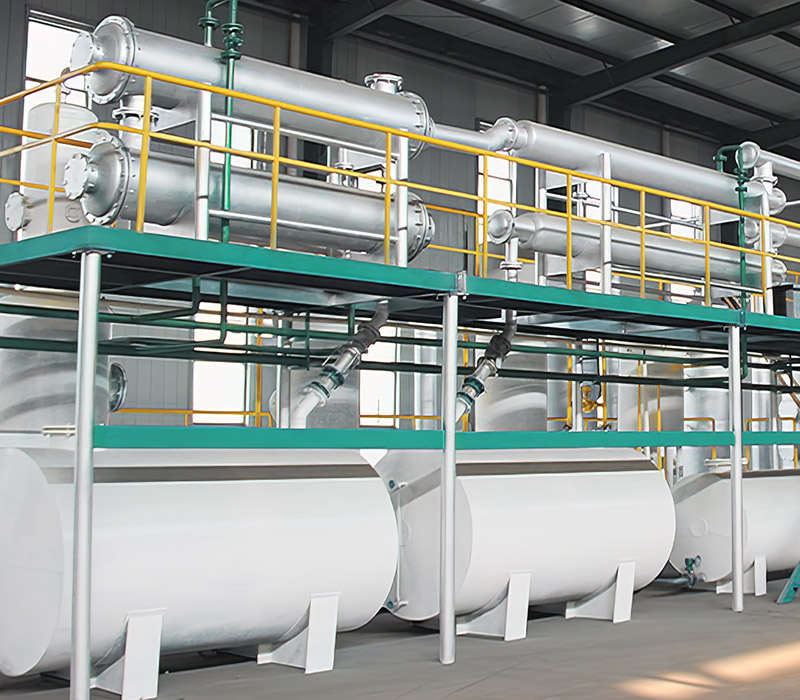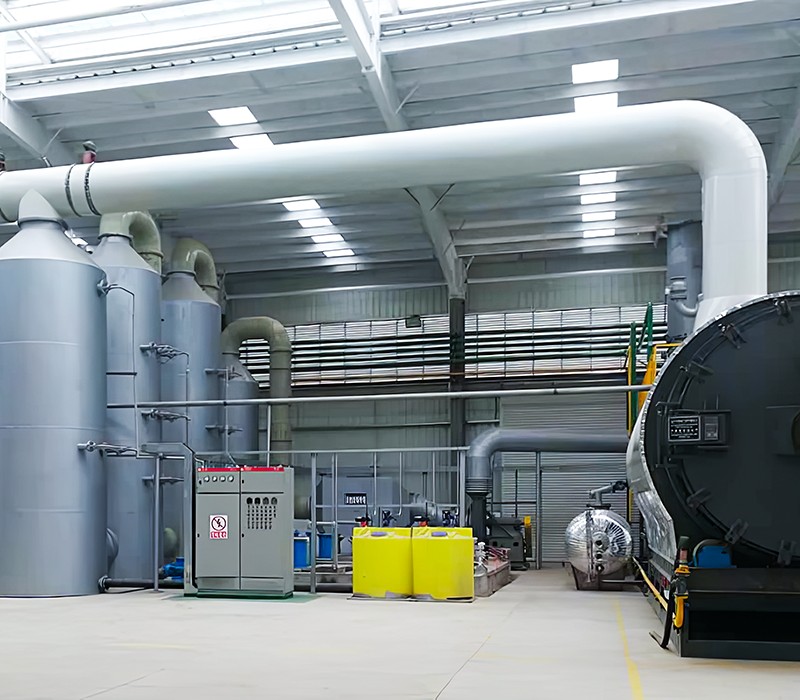
Bu sistem, entegre atmosferik ve vakum aşamaları aracılığıyla çeşitli atık yağları (termal açıdan hassas fraksiyonlar dahil) verimli bir şekilde işler. Standart atmosferik ünitelerden farklı olarak, vakum destekli ayırma yoluyla %20 daha düşük enerji tüketimiyle %98 yakıt geri kazanımı sağlar. Esnek kapasite ölçeklendirmesi (10-50T/gün), otomatik basınç modülasyonu ve patlamaya dayanıklı güvenlik sistemleri için kompakt modüler tasarıma sahiptir. Özelleştirilebilir yoğunlaşma aşamaları, değişken viskozite girişlerini yönetirken dizel kalitesinde çıktı (%95 saflık) sağlar. Geleneksel atmosferik tesislerden %30 daha küçük ayak iziyle CE sertifikalıdır. Atmosfer basıncı aşaması, hafif bileşenlerin birincil ayrımını gerçekleştirmek için kullanılır ve vakum aşaması, kaynama noktasını düşürerek, ısıya duyarlı bileşenleri etkili bir şekilde tutarak, termal çatlamayı ve karbonizasyonu önleyerek ve sabit yağ kalitesi sağlayarak ağır bileşenlerin etkili bir şekilde derin fraksiyonlanmasını gerçekleştirmek için kullanılır. Negatif basınç destekli ayırma kulesi ve çok aşamalı yoğunlaştırma sistemi, damıtma verimliliğini artırır ve kalıntı oranını en aza indirerek yakıt geri kazanım oranını geleneksel ekipmanlara göre çok daha yüksek hale getirir. Vakum sistemi genel çalışma sıcaklığını düşürür ve ısıtma enerjisi tüketimini azaltır; Otomatik sıcaklık ve basınç kontrolü ve ısı geri kazanım ünitesi sayesinde tüm makine daha düşük çalışma güç tüketimine sahiptir.

Şirket kuruldu
How Vacuum Pressure Distillation Enhances Oil Quality and Reduces Thermal Cracking
Atmospheric and vacuum pressure distillation equipment has become a cornerstone in modern waste oil processing, providing industries with solutions that maximize fuel recovery while preserving oil quality. Unlike traditional atmospheric-only systems, these advanced units employ a combination of atmospheric separation and vacuum-assisted fractionation, allowing for precise control over temperature and pressure conditions during distillation. This dual-stage approach ensures that heat-sensitive oil fractions are processed without undergoing thermal cracking or carbonization, preserving the integrity and value of the final product.
The atmospheric stage in these systems is responsible for the initial separation of light components, such as low-boiling hydrocarbons. Once these fractions are removed, the vacuum pressure stage takes over, performing deep fractionation of heavier components at significantly reduced temperatures. By lowering the boiling point, vacuum-assisted distillation minimizes thermal stress on sensitive compounds, preventing degradation and ensuring stable oil quality. This careful temperature management is crucial for producing diesel-grade fuel with high purity, often reaching 95% or higher, while maintaining consistent viscosity even when processing variable feedstocks.
Energy efficiency is another major advantage of atmospheric and vacuum pressure distillation equipment. Vacuum systems allow for lower operating temperatures, which in turn reduces heating energy requirements. Modern units often integrate automatic temperature and pressure control, combined with heat recovery mechanisms, further lowering power consumption and improving overall operational efficiency. Compared to conventional atmospheric plants, these systems can achieve up to 98% fuel recovery while consuming roughly 20% less energy, representing a significant advantage for both industrial profitability and environmental sustainability.
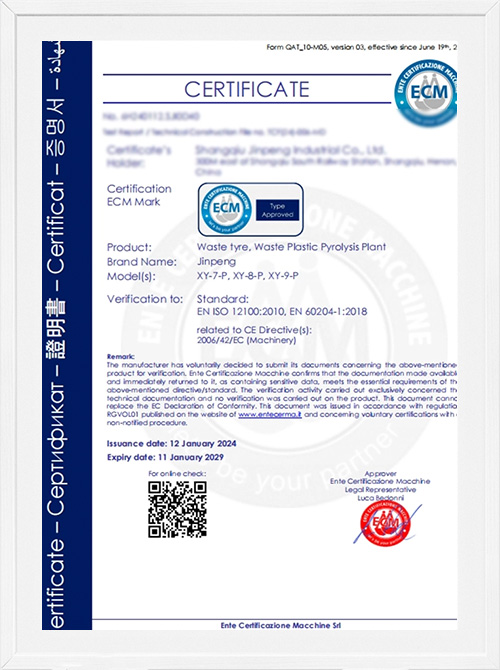
Compact, modular designs have also transformed the usability of these distillation units. Equipment capacities can range from 10 to 50 tons per day, making it easier for operators to scale operations based on production requirements. Multi-stage condensation systems ensure efficient recovery of all valuable fractions, minimizing residue and reducing waste. Negative pressure-assisted fractionation towers contribute to higher separation efficiency, providing a safer and more stable operating environment. Many of these systems are CE-certified and feature explosion-proof safety mechanisms, demonstrating a strong commitment to industrial safety and regulatory compliance.
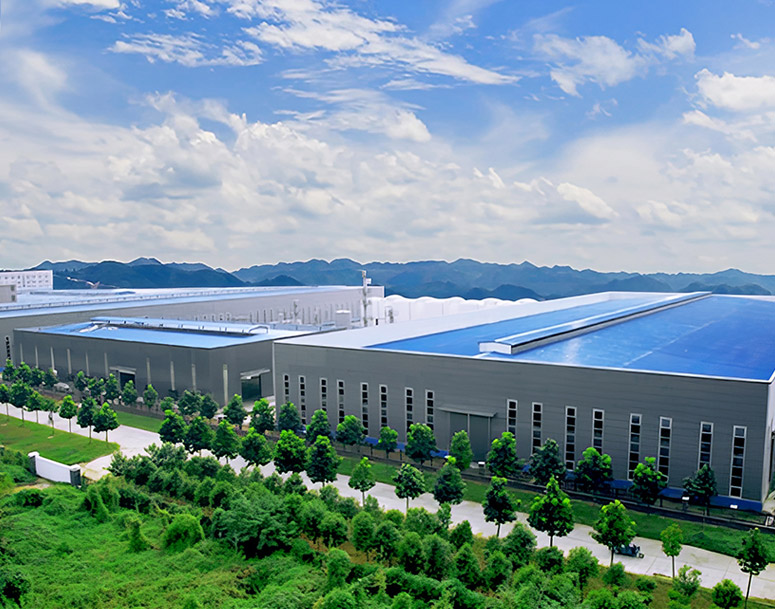
Companies like Pyrojin ECO Industrial Co., Ltd., based in Shangqiu, China, have been at the forefront of developing these innovative waste oil processing solutions. With over a decade of experience in environmental protection systems, Pyrojin leverages research and development to deliver equipment that supports global circular economy goals. Each system is engineered not only to recover high-purity fuel efficiently but also to minimize energy use, reduce environmental impact, and provide operators with flexible, scalable solutions for a wide range of waste oil inputs.
In summary, atmospheric and vacuum pressure distillation equipment offers a superior approach to oil recovery by combining precise temperature control, vacuum-assisted fractionation, and advanced condensation technology. These systems prevent thermal cracking, protect heat-sensitive components, and deliver high-purity diesel-grade fuel, all while lowering energy consumption and reducing operational costs. As industries continue to prioritize efficiency and sustainability, vacuum pressure distillation remains a key technology in achieving these goals.


Hadi Piroliz yapalım!


 +44 7529 150720
  [email protected]
  Henan Eyaleti, Shangqiu Şehrindeki Güney Tren İstasyonunun 300 metre doğusunda
  Custom Atmosfer ve Vakum Basınçlı Damıtma Ekipmanları Suppliers

 Profit Calculator